





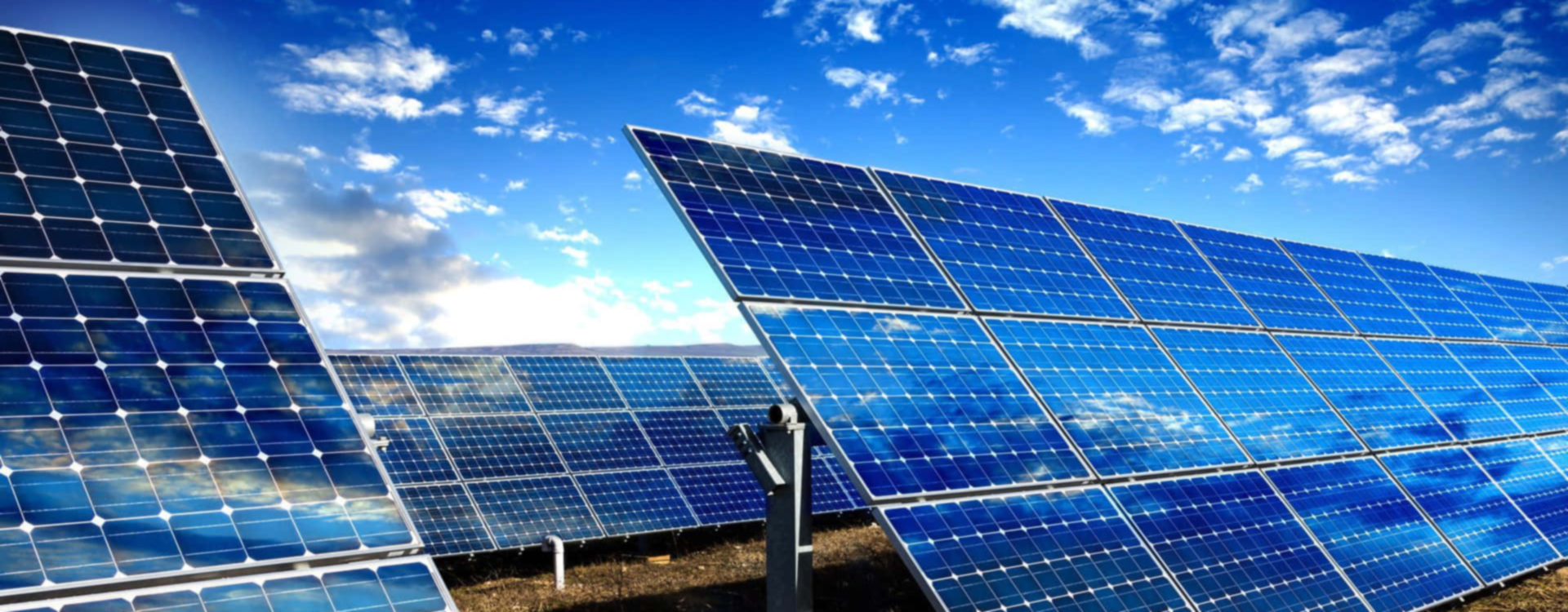
Factors affecting the production of solar electricity using solar panels
In recent years, we have seen a significant increase in the efficiency of electricity production using solar panels; So that investing in solar energy has become a very profitable option for many people. The actual amount of electricity generated and cost savings from a solar power plant depends on several factors that must be considered when evaluating the system's efficiency, long-term benefits, and capacity to reduce costs.
In the following, we examine some factors affecting the production of solar electricity using solar panels.
Geographical location
The amount of sunlight in different regions varies throughout the year. The amount of solar radiation depends on factors such as latitude and longitude, time and climatic conditions of the region. Areas closer to the equator typically receive more sunlight and, as a result, have a higher capacity to generate solar electricity.
By calculating the amount of solar radiation at the project site, this information can be used to design an economical and optimal solar panel array.
Time of day and season
The amount of sunlight that reaches the earth's surface changes during the day. Solar electricity production usually peaks around noon and during the summer months; Because the sun is higher in the sky and the day is longer.
In the early hours of the morning, afternoon and winter, due to the lower position of the sun in the sky and the shorter day length, the amount of solar electricity production decreases compared to summer.
Weather conditions
Clear skies increase solar power production compared to cloudy days. However, even on cloudy days, electricity production does not reach zero; Rather, it decreases and the panels continue to produce electricity. The amount of production in these conditions largely depends on the efficiency of solar panels.
Weather conditions can also have a significant impact on system performance. For example, there is a misconception that solar panels produce less energy in cold environments. In fact, the opposite is true. Heat is one of the factors that reduce the efficiency of panels; While cold environments prevent the excessive increase in temperature of solar panels and equipment and, as a result, limit the loss of efficiency.
In addition, snow reflects sunlight and can affect the amount of radiation received by the panels by increasing the reflection of solar radiation. Therefore, as long as the snow does not completely cover the surface of the panels, the solar system can enjoy some benefits of cold environmental conditions.
Understanding the effect of environmental conditions on system performance during different seasons of the year is important when designing a solar system to fit your energy needs.

